
Right-Size Your Meals
Correcting Portion Distortion
TL;DR
Portion control is not about deprivation, strict dieting, or counting every calorie. It is about learning to match how much you eat with your body's individual energy and nutritional needs. For many people, that means gradually reducing oversized portions. For others, it may simply mean becoming more aware of when they've eaten enough or when they genuinely need more. With a little practice, appropriate portions can begin to feel surprisingly normal and satisfying, especially when you eat slowly and give your body's hunger and fullness signals time to work. Beyond helping you feel more comfortable and alert after meals, this simple habit can help prevent excess calorie intake, support a healthier body composition, improve metabolic and cardiovascular health, and contribute to better long-term health throughout the body.
Introduction
One of the greatest challenges in modern nutrition is that many of us have lost our sense of what a normal portion actually looks like. Over the past several decades, restaurant meals have grown larger, packaged foods have expanded, and "value-sized" servings have become the norm. What once seemed excessive has gradually become ordinary.
The result is that many people consistently eat more than they realize, not necessarily because they are hungry or need additional food, but because the environment around them encourages larger portions. When oversized meals become the expectation, overeating can happen almost automatically, often without a conscious decision to eat more.
The good news is that portion control is one of the simplest habits you can develop to improve your health. It does not require giving up your favorite foods, following a complicated diet, or counting every calorie. Nor is it about deprivation or leaving the table hungry. It is about learning to match the amount of food you eat with what your body actually needs. When practiced consistently, this simple habit can help regulate energy intake, support weight loss or healthy weight maintenance, improve metabolic health, reduce digestive discomfort, and contribute to long-term disease prevention.
One of the greatest advantages of portion control is its simplicity and adaptability. It doesn't require special equipment, expensive programs, or rigid meal plans. Whether you're eating at home, dining in a restaurant, traveling, celebrating a holiday, or grabbing a quick meal during a busy workday, portion control can fit naturally into your routine. The goal isn't perfection or restriction. It's simply becoming more aware of how much you eat and making small adjustments that better match your body's needs.
Equally important, portion control is another excellent example of a habit with stacked benefits. Its influence extends beyond the amount of food on your plate or the number on the scale. Small adjustments at individual meals, repeated consistently over time, can support healthier metabolism, cardiovascular function, digestion, and overall well-being. Learning to recognize how much food your body needs to nourish and support it, while avoiding the consequences of habitual excess, is a simple skill that can pay health dividends for a lifetime.
In This Chapter
Why Portion Control Matters
Portion control is one of the simplest and most effective health habits because it helps match the amount of food and energy you consume with your body's actual needs. While the nutritional quality of the foods you choose is incredibly important (and we'll explore that in a later chapter), the amount of food you eat matters too. Even healthy, nutritious foods can contribute to excess calorie intake and weight gain if you consistently eat more than your body's needs.
Just as eating slowly changes how you eat, portion control changes how much you eat. These two habits naturally complement one another. As you learned in the previous chapter, eating more slowly gives your body's fullness signals time to develop. This makes it easier to recognize when you've had enough, rather than continuing to eat simply because food remains on your plate. Together, these habits help you become more responsive to your body's natural hunger and fullness signals.
One of the reasons portion control has become so challenging is that our perception of what constitutes a "normal" portion has gradually changed. Somewhere along the way, "normal" quietly became enormous. We developed a serious case of portion distortion. Restaurant meals are often substantially larger than they once were, sometimes providing enough food for two or more meals. Grocery stores promote family-sized packages, oversized snacks, and "value meals" that encourage us to eat more simply because more food is available. For years, marketing campaigns promoted the idea of "super-sizing" meals, reinforcing the belief that bigger was better and that more food represented greater value. As portions grow, our expectations grow with them, making it surprisingly easy to consume more than we need without even realizing it.
Correcting this portion distortion can naturally reduce excess calorie intake without requiring you to count every calorie you eat. Your body requires adequate energy and nutrients to support normal metabolism, physical activity, recovery, and overall health. The goal is not to leave the table hungry. It is to consistently eat enough to nourish your body while avoiding the excess that, over months and years, can contribute to unwanted weight gain and chronic disease. For those who want to lose weight, even modest reductions in habitual portion sizes can help create the calorie deficit needed for gradual, sustainable weight loss. For those already at a healthy weight, appropriate portions can help maintain that balance over time.
Developing better portion habits takes consistency, not perfection. Every meal is another opportunity to practice making intentional decisions. Those small choices may seem insignificant in the moment, but their effects accumulate over hundreds and thousands of meals. What begins as a conscious effort to recognize appropriate portions can gradually become a natural, sustainable habit that supports your health for years to come.
Beyond Calorie Counting
Although portion control and calorie counting are closely related, they are not the same thing. Both aim to help you avoid consuming more than your body needs, but they take different approaches.
Calorie counting focuses on tracking the number of calories you consume. For some people, this can be a useful strategy, particularly when trying to lose weight or better understand their eating habits. However, accurately tracking calories often involves measuring portions, recording meals, and estimating or calculating calorie intake, which many people find difficult to maintain over the long term.
Portion control takes a simpler approach. Rather than focusing on numbers, it emphasizes becoming more aware of how much food you put on your plate and ultimately consume. The goal is not mathematical precision but consistently choosing portions that appropriately fuel your body without routinely overeating. For many people, this approach is easier and more sustainable over time. It encourages awareness rather than constant tracking, helping appropriate portion sizes gradually become second nature.
That said, portion control is not a substitute for nutritional quality. A smaller portion of a highly processed food is still a highly processed food. Likewise, a large portion of a healthy food can still provide more calories than your body needs. Both what you eat (quality) and how much you eat (quantity) play important roles in your overall health. We'll explore nutritional quality in much greater detail in a later chapter.
The Immediate Benefits of Appropriate Portions
Understanding the difference between calorie counting and portion control is helpful, but the real value of this habit becomes clearer when we look at what happens inside your body every time you eat. Appropriate portion sizes influence far more than body weight. Every time you eat, your metabolism, hormones, digestive system, and brain work together to process food, regulate appetite, absorb nutrients, and distribute energy throughout your body. Your body does not function as a collection of isolated organs. Instead, these systems work together, which means that how much you eat can influence several aspects of your health at the same time.
Habits with stacked benefits allow one healthy choice to create multiple benefits throughout the body. Consistently eating portions that match your body's needs can help reduce some of the immediate discomforts associated with overeating while supporting healthier metabolic and physiological responses after meals. Over time, these same habits can also contribute to healthier body composition and broader long-term health benefits.
Let's first explore what happens in your body during and after a meal, and how appropriate portion sizes can make a difference.
Blood Sugar and Hormonal Responses
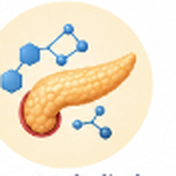
Every bite you eat triggers a coordinated metabolic response. As food enters your digestive system, hormones are released, nutrients are absorbed into your bloodstream, and blood glucose may rise depending on what you've eaten. Insulin, released by your pancreas, helps your cells take up glucose, while your body determines whether to use that energy immediately or store it for later.
As you learned in the Physical Activity section, movement after a meal can also help your muscles take up circulating glucose, where it can be used for energy or stored as glycogen for later use. Physical activity can stimulate this process even without an increase in insulin.
One of the simplest ways to influence this entire process is by eating portions that better match your body's actual needs. Both the amount and composition of food you eat influence how your body responds after a meal. Larger portions, particularly those containing more carbohydrates, generally place greater demands on glucose regulation. Choosing appropriate portions can help moderate post-meal glucose and insulin responses.1
Digestive Comfort
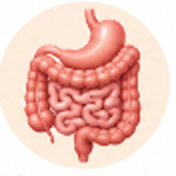
Almost everyone knows what it feels like to eat too much. You finish a meal feeling overly full, your stomach feels stretched, your pants suddenly seem tighter, and instead of feeling energized, you feel sluggish and uncomfortable. Eating more appropriate portions allows your digestive system to process meals more comfortably while reducing the stomach distention that often accompanies overeating. As a result, many people experience less bloating, uncomfortable fullness, and post-meal discomfort.
Appropriately sized meals may also reduce symptoms of acid reflux and indigestion in susceptible individuals. When the stomach becomes excessively full, pressure within the stomach increases, making it easier for stomach contents to reflux into the esophagus and cause heartburn. Eating more moderate portions can help reduce this pressure and lessen these symptoms.
Alertness and Mental Clarity
After a very large meal, many people experience a "food coma." Your eyelids feel heavy, your motivation fades, and concentrating on work, reading, or even carrying on a conversation suddenly becomes much more difficult. This post-meal drowsiness (postprandial somnolence) is thought to result from several interacting factors, including changes in blood glucose, hormonal responses, and your body's increased focus on digestion.3
Eating more appropriate portions may help reduce this post-meal sluggishness, making it easier to maintain alertness, concentration, and mental clarity after eating. Instead of needing to recover from your meal, you can get up from the table feeling comfortably satisfied, energized, and ready for whatever comes next.
Eating Awareness and Emotional Well-Being

Portion control is not about restriction. It is about becoming more intentional. Learning to recognize hunger and fullness cues can help you develop a healthier relationship with food and become more aware of when you're eating because of hunger versus habit, boredom, or stress.
Many of us have experienced reaching for a snack while relaxing on the couch watching television, only to finish a bag of chips without realizing how much we've eaten. This type of eating often has little to do with true hunger. Portion control encourages you to pause for a moment and ask a simple question: Am I eating because I'm truly hungry and my body needs fuel, or because something else is driving this decision? If the answer is hunger, then the next question becomes: What should I eat? We'll explore that in greater detail in a later chapter.
Stress can be one of the strongest influences on eating behavior. While food may provide temporary comfort, it rarely addresses the underlying source of stress. When you recognize that stress rather than hunger is driving your desire to eat, consider responding in a different way. One particularly beneficial option is physical activity. A walk, a workout, time outdoors, or another healthy outlet may help relieve stress, improve your mood, and provide the additional benefits of movement. Food can be part of life's celebrations, but it shouldn't become our primary response to life's frustrations.
For many people, developing greater awareness of their eating habits may also help reduce the cycle of overeating followed by guilt or frustration. Instead of viewing meals as successes or failures, each meal becomes another opportunity to practice a sustainable habit.
The benefits we've explored so far—from improved digestive comfort to reduced post-meal sluggishness and greater awareness of eating habits—can become noticeable relatively quickly. Combined with the habits you've already learned, particularly staying well hydrated and eating slowly, portion control becomes another simple way to help you feel and function better throughout the day.
But the benefits don't end when the meal is over. Over months and years, consistently eating appropriate portions can also influence your long-term health in ways that extend far beyond the number on the scale.
Whole Body Effects: Benefits Beyond the Scale
Many people think of body weight primarily in terms of appearance or the number displayed on a scale. In reality, the number on the scale tells only part of the story. For long-term health, body composition often provides more meaningful information than body weight alone. Five pounds of muscle and five pounds of excess body fat weigh exactly the same on a scale, but they have very different effects on your health. Likewise, where fat is stored matters. Excess visceral fat, which surrounds the abdominal organs, poses far greater health risks than fat stored elsewhere in the body.
One of the reasons portion control is such a powerful habit is that the small decisions you make at each meal accumulate over time. Consistently eating portions that better match your body's energy needs can reduce excess calorie intake, helping prevent unwanted weight gain and the gradual accumulation of body fat. 2 For those carrying excess body fat, appropriate portions can also support gradual weight loss and improvements in body composition. Combined with regular physical activity, particularly strength training, and adequate nutrition, these changes can help preserve muscle, reduce excess fat, and support a stronger, more capable body rather than simply a lower number on the scale.
These improvements have implications that extend beyond appearance or body weight. Excess body fat, particularly visceral fat, can affect cardiovascular function, metabolism, breathing, inflammation, and other physiological processes. By helping you maintain a healthier body composition, portion control can contribute to improvements across multiple body systems and reduce the risk of certain chronic diseases.
Let's explore how these long-term benefits extend throughout the body.
Cardiovascular
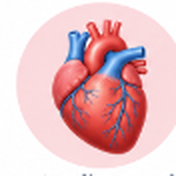
Your heart never gets a day off. Every minute of every day, it pumps blood throughout your body, delivering oxygen and nutrients to every organ while removing waste products.
Portion control may seem far removed from cardiovascular health, but the connection becomes increasingly important over time. Consistently eating more than your body needs can lead to excess calorie intake, weight gain, and the accumulation of body fat. Eating more appropriate portions helps interrupt that process by better matching calorie intake with your body's needs and supporting a healthier body weight and body composition.
That matters because excess body fat, particularly visceral fat stored around the abdominal organs, is associated with higher blood pressure, unfavorable cholesterol levels, chronic inflammation, insulin resistance, and changes in blood vessel function that increase the risk of cardiovascular disease. Over time, these changes can contribute to hypertension, coronary artery disease, heart attack, heart failure, and stroke.4
The good news is that improving body composition can positively influence many of these risk factors at the same time. Blood pressure may decrease, cholesterol profiles may improve, blood vessels may function more effectively, and chronic inflammation may lessen. Portion control, especially when combined with regular physical activity, becomes one simple daily habit that can contribute to these improvements and support cardiovascular health over the long term.
Respiratory

Your lungs work closely with your heart to deliver oxygen to every cell in your body. Whether you're climbing a flight of stairs, walking the dog, cycling, or simply carrying groceries, your respiratory system helps meet the constant demands of daily life.
Over time, portion control can support respiratory health by helping prevent the excess calorie intake and weight gain that place additional demands on your respiratory system. Maintaining a healthy body composition helps your lungs work more efficiently by reducing the mechanical burden that excess body fat can place on the chest wall and diaphragm. For individuals carrying excess body fat, weight loss may make breathing during physical activity more comfortable, reduce the effort required for everyday movement, and improve exercise tolerance. Activities that once felt difficult may become easier, and recovery after exertion may feel more comfortable.
Body composition also plays an important role in obstructive sleep apnea, a condition in which the upper airway repeatedly narrows or collapses during sleep. Sleep apnea contributes to poor sleep quality, excessive daytime fatigue, high blood pressure, heart rhythm disturbances, and an increased risk of cardiovascular disease. For many individuals, reducing excess body fat can significantly improve sleep apnea severity or, in some cases, lead to remission.5 We'll explore sleep apnea and its effects on health in greater detail in Chapter 37, when we discuss the importance of sleep.
By helping you maintain a healthier body composition, portion control becomes another small daily habit that can make movement and breathing easier over time.
Metabolic / Endocrine
Your metabolism never stops working, even while you sleep. It is constantly operating behind the scenes to convert food into energy, regulate blood sugar, store nutrients, and coordinate the many hormonal processes that keep your body functioning properly. Consistently eating portions that better match your body's needs can help support these processes throughout your life.
A healthy metabolism is also remarkably adaptable. It constantly adjusts to your body's changing energy needs, switching between using carbohydrates and fat as fuel depending on whether you're eating, exercising, or fasting between meals. This ability, known as metabolic flexibility, is an important feature of good metabolic health and is often impaired in people with excess visceral fat, insulin resistance, and type 2 diabetes. Avoiding chronic excess calorie intake and maintaining a healthy body composition can help support this flexibility, allowing your body to respond more efficiently to changing energy demands. The benefits of metabolic flexibility extend well beyond fuel selection, supporting better energy regulation, exercise performance, and overall metabolic health.
Excess body fat, particularly visceral fat, is strongly associated with insulin resistance, metabolic syndrome, metabolic dysfunction-associated steatotic liver disease (MASLD), and type 2 diabetes. Portion control can help address one of the important drivers of excess body fat: routinely consuming more calories than your body needs. Over time, this can help support a healthier body composition, improve insulin sensitivity, support healthier glucose regulation, and potentially lower the risk of developing many of these chronic metabolic diseases.6
One of the encouraging aspects of metabolic health is that meaningful improvements do not require dramatic changes. Small, consistent changes in eating habits and physical activity can improve blood sugar control even before substantial changes appear on the scale. Disease often develops gradually over many years, but so does health. Healthy metabolism isn't built in a day. It's built one meal, one workout, and one healthy habit at a time.
Musculoskeletal
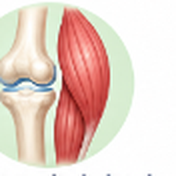
Your bones, joints, muscles, and connective tissues provide the foundation that allows you to move through life. Whether you're climbing stairs, getting up from the floor, carrying groceries, hiking a favorite trail, or playing with your children or grandchildren, your musculoskeletal system makes every movement possible.
Over time, portion control can support your musculoskeletal health by helping prevent excess weight gain that can increase the mechanical demands placed on your joints. Excess body weight increases the forces transmitted through the knees, hips, ankles, and spine, which can contribute to joint discomfort and reduced mobility and may increase the risk of osteoarthritis, particularly in weight-bearing joints such as the knees. At the same time, preserving muscle mass helps support joint stability, balance, and overall physical function.
The goal is not simply to eat less or weigh less. It is to eat an appropriate amount while building and preserving the muscle that allows you to remain strong, stable, and physically capable throughout life. Portion control can help limit excess calorie intake and fat accumulation, while regular strength training provides the stimulus needed to maintain and build muscle. Adequate nutrition, particularly sufficient protein, is also important for preserving muscle during weight loss. Together, these habits help create a body that is healthier, stronger, and more resilient.
Maintaining your freedom of movement is one of the greatest investments you can make in your long-term quality of life.
Immune / Inflammatory

Your immune system protects you from infections, helps repair injured tissues, and coordinates healing throughout your body. Like every other system in the body, it functions best when it is well regulated and in balance.
Inflammation is not inherently bad. In fact, it is one of your body's most important defense and healing mechanisms. When you cut your finger, develop an infection, or complete a challenging workout, inflammation is part of the normal response that helps your body repair itself and adapt to physical challenges. The temporary inflammatory response associated with exercise is one of several signals that contribute to adaptation, helping your muscles and other tissues become more resilient over time. This is an excellent example of hormesis: a manageable, temporary stress that stimulates beneficial adaptations.
The problem arises when inflammation never fully turns off, remaining persistently elevated rather than resolving when it's no longer needed. Excess visceral fat is not simply a place where your body stores extra energy. It is metabolically active tissue that produces hormones, signaling molecules, and inflammatory substances that influence many other organs. Over time, excess visceral fat can contribute to a state of chronic, low-grade inflammation that has been linked to cardiovascular disease, type 2 diabetes, certain cancers, and many other chronic conditions.7
By helping limit excess calorie intake and the accumulation of visceral fat over time, portion control can contribute to lowering this unnecessary inflammatory burden. The goal isn't to eliminate inflammation. It's to let it do the job it was designed to do and then resolve when it's no longer needed.
Cancer Risk & Oncologic Health

Cancer develops for many reasons, including genetics, aging, environmental exposures, infections, and lifestyle. While no single habit can eliminate your risk, many healthy behaviors work together to lower it over time. Portion control can play a small but meaningful role by helping prevent chronic excess calorie intake and supporting a healthier body composition.
Excess body fat, particularly visceral fat, can influence hormone levels, promote chronic low-grade inflammation, and disrupt normal metabolic regulation. These changes may contribute to an increased risk of several cancers, including colorectal, postmenopausal breast, endometrial, kidney, pancreatic, liver, and esophageal cancers.8
This is where a seemingly simple habit like portion control can have benefits that extend far beyond the scale. Combined with regular physical activity and other healthy lifestyle behaviors, it becomes one part of a much larger strategy for reducing long-term cancer risk.
Of course, cancer prevention extends beyond body composition. Eating a nutritious diet, limiting alcohol, avoiding tobacco, protecting your skin from excessive ultraviolet (UV) exposure, and participating in recommended cancer screening programs all play important roles in reducing cancer risk or detecting certain cancers early. No single habit can prevent every cancer, but healthy habits with stacked benefits work together to create meaningful improvements in long-term health.
Integrated Benefits: The Long-Term Payoff

The benefits of portion control extend far beyond any single meal or any single number on the scale. Consistently eating portions that match your body's needs can support healthier body composition and help reduce some of the long-term health risks associated with excess body fat. Over time, these small daily decisions can contribute to meaningful improvements in health and quality of life.
Healthy aging is not simply about adding years to your life. It is about adding life to your years. Portion control is one of many habits that can help preserve the strength, mobility, metabolic health, and independence needed to continue doing the things you enjoy as you grow older. When combined with regular physical activity and high-quality nutrition, it becomes another investment in your long-term health.
Perhaps the greatest benefit of portion control is not what it does for you today, but what it helps preserve decades from now. Every meal is another opportunity to nourish your body appropriately, support healthy aging, and continue building a healthier future, one habit at a time
Making Portion Control Easier
Like most habits, portion control does not require perfection. It requires practice. You do not need to weigh every meal, count every calorie, or measure every bite. The goal is to gradually develop an awareness of what an appropriate portion looks like, what it feels like, and how it aligns with your body's actual needs.
It's also important to remember that there is no single portion size that's right for everyone. Your needs depend on factors such as body size, age, physical activity, overall health, and personal goals. Someone who exercises regularly or is trying to build muscle may need more food than someone who is less active. The goal isn't necessarily to eat less. It's to eat enough to nourish your body and support your individual needs.
You'll notice that many of these strategies work even better when combined with the habit from the previous chapter: eating slowly. Together, they help your body's natural hunger and fullness signals guide not only how you eat, but also how much you eat. Small adjustments practiced consistently often produce far greater results than dramatic changes that are difficult to maintain. Some strategies may have a greater impact than others, so let's begin with those that can make the biggest difference, followed by a few additional approaches that may help make portion control easier in everyday life.
Learn to Be Comfortably Satisfied, Not Uncomfortably Full
One of the goals of portion control is to finish meals feeling satisfied rather than stuffed. There is a tremendous difference between:
Learning to recognize that difference is one of the most valuable eating skills you can develop. Meals should leave you feeling nourished, comfortably satisfied, and energized, not overly full and sluggish. Recognizing when you’ve eaten enough to feel comfortable, satisfied, and gratified is often the key to finding the right portion size for you.
Fortunately, portion control does not require measuring every meal or relying on willpower. A few simple strategies can make appropriate portions easier to recognize and easier to maintain in everyday life.
Pause Before Going Back for Seconds
If you think you're still hungry after finishing your meal, consider waiting 15–30 minutes before serving more. Your body often needs a little more time for the fullness signals discussed in the previous chapter to develop. Enjoy some water or another appropriate beverage while you wait, then reassess how you feel. You may discover that what felt like hunger was simply your body's satiety signals catching up. If you're still hungry after waiting, eat more.
Avoid Eating Directly from the Package
Large bags of chips, boxes of crackers, and containers of snacks make it remarkably easy to lose track of how much you've eaten. Instead, place a reasonable portion into a bowl or onto a plate before you begin eating. Simply seeing the amount you're eating often improves awareness and helps you make a more intentional decision about how much to eat.
Restaurant Portions Are Often Two Meals
Many restaurant entrées contain enough food for two people, or sometimes even more. Restaurants provide some of the most visible examples of portion distortion. When oversized meals become the norm, it's easy to forget what an appropriate portion actually looks like.
Don't Let Social Pressure Determine Your Portion
Family gatherings, dinners with friends, celebrations, and business meals can make it surprisingly easy to eat more than you intended. Someone may encourage you to have another helping, try another dish, or finish what was served. It's perfectly fine to politely decline another serving when you're already satisfied. Enjoy the food and the people you're with, but remember that you don't need to match what everyone else is eating. You can enjoy the social experience without eating beyond what your body needs.
Depending on your eating habits and environment, a few additional strategies may help make portion control even easier.
Build Your Plate Before You Build Your Appetite
Whether you're at home, at a buffet, or at a party, take a moment to decide what you'd like to eat before filling your plate. Serve yourself, sit down when possible, and enjoy your meal. Try to avoid grazing while cooking, repeatedly returning to the buffet, or standing around the snack table. At an all-you-can-eat buffet, don't let the temptation to "get your money's worth" convince you to eat more than you need. You've paid the same amount whether you leave comfortably satisfied or uncomfortably full. Being intentional before you begin eating can help reduce mindless overeating.
Use Smaller Plates and Bowls
The size of your plate can influence how much food looks "normal." Smaller plates and bowls may make moderate portions appear more satisfying, while oversized dinner plates can make appropriate portions look surprisingly small. Sometimes changing your environment is easier than relying on willpower.
Serve Yourself Before Sitting Down
Instead of placing serving dishes on the table, portion your meal in the kitchen before you sit down. When getting seconds requires you to get up rather than simply reach for more food, you're more likely to pause and consider whether you're actually still hungry.
Special Occasions Don’t Require Special Rules
One of the core philosophies of this book, and one of the keys to long-term success, is that healthy habits must fit into real life, not an ideal one. Birthdays, holidays, vacations, weddings, celebrations, and dinners with family and friends are all part of a healthy, fulfilling life. Portion control should help you enjoy these moments, not take away from them.
Rather than trying to eat perfectly, enjoy the foods you love while remaining mindful of your portions. Savor the experience, eat slowly, and stop when you are comfortably satisfied rather than uncomfortably full. There is no reason to feel guilty about enjoying a slice of birthday cake, your favorite holiday meal, or a special dessert on vacation. These moments are meant to be enjoyed, not overshadowed by rigid rules or unnecessary guilt. What matters most is what you do most of the time. One meal, one celebration, or one vacation rarely determines your long-term health. It is the habits you practice consistently, week after week and year after year, that shape your future. Enjoy the occasional indulgence, then return to your usual healthy habits without guilt or the need to compensate.
You do not need to use every strategy at every meal. Find the approaches that work best for you and continue practicing them until they become easier and more natural. Every meal gives you another opportunity to make a more intentional choice, and those small choices can add up to meaningful improvements over time.
Common Obstacles
Even when you understand the principles of portion control, putting them into practice isn't always easy. Some eating habits have developed over many years, and changing them may take time.
Many of us also grew up as members of the "Clean Plate Club." We were taught to finish everything on our plate out of gratitude, respect for the effort that went into preparing the meal, or a desire to avoid wasting food. Those lessons came from good intentions and remain valuable today. However, your body’s needs and your health goals should determine when the meal is over, rather than whether your plate is empty. Being mindful of how much food you initially put on your plate can help, but if you're comfortably satisfied before your plate is empty, there is nothing wrong with saving the rest for another meal.
Another common obstacle is that, after years of eating large portions, an appropriate serving can initially look smaller than expected. That doesn't necessarily mean you need more food. As your perception gradually adjusts, appropriate portions may begin to look normal again, helping you move beyond the portion distortion that has become so common in today's food environment.
Finally, remember that every meal is a new opportunity. If you overeat occasionally, don't let one meal become an excuse to abandon the habit. Simply return to your usual healthy eating habits at your next meal and continue moving forward.
Choose two meals each day and think about how much food you are putting on your plate before you begin eating. You do not need to weigh your food, measure every serving, or count calories. Simply pause and ask yourself: Does this amount of food reasonably match what my body needs right now?
Then eat slowly and pay attention to how you feel as you eat. Your goal is to finish comfortably satisfied rather than uncomfortably full. If you finish your portion and still feel hungry, consider waiting 15–30 minutes before going back for more. Enjoy some water or another appropriate beverage while you wait. Give your body's fullness signals time to develop, then reassess. If you're still hungry, eat more. Portion control is not about undereating. It is about learning how much food your body actually needs to thrive without overeating.
For the next seven days:
- Choose at least two meals each day to deliberately practice portion awareness.
- Decide on your portion before you begin eating.
- Eat slowly and pay attention to your hunger and fullness signals.
- Enjoy some water or another appropriate beverage with your meal.
- Aim to finish comfortably satisfied rather than uncomfortably full.
- Before going back for seconds, consider waiting 15–30 minutes and reassess your hunger.
Don't worry about getting the portion exactly right. At some meals you may serve yourself too much. At other times you may discover that you genuinely need more. That's part of the process. The goal this week is not restriction or precision. It is to become more aware of how much you eat and begin adjusting your portions to better match your body's needs. By the end of seven days, you may begin developing a better sense of what an appropriate portion looks like and, even more importantly, feels like.
Portion control is not about restriction, deprivation, or eating as little as possible. It is about learning to match the amount of food you eat with what your body actually needs, allowing you to feel satisfied while promoting better health over time. For many of us, that means gradually becoming comfortable with smaller portions than we may have grown accustomed to. For others, it may simply mean becoming more intentional about how much food we eat and recognizing when we genuinely need more. With practice, appropriate portions can leave you feeling comfortably satisfied while helping prevent unnecessary calorie intake. Over time, this can support a healthier body composition, improve metabolic health, reduce the burden on multiple body systems, and help you feel better after the meals you eat every day.
The power of portion control comes from its simplicity and consistency. You do not need to get every meal right. Practice choosing more appropriate portions, eat slowly, and give your body time to tell you when it has had enough. Eat enough to nourish your body and enjoy your food, but don't let an oversized plate determine how much you eat.
References
- Service FJ, Hall LD, Westland RE, et al. Effects of size, time of day and sequence of meal ingestion on carbohydrate tolerance in normal subjects. Diabetologia. 1983;25(4).
- Stahl ML, Orr WC, Bollinger C. Postprandial sleepiness: Objective documentation via polysomnography. Sleep. 1983;6(1).
- Rolls BJ, Morris EL, Roe LS. Portion size of food affects energy intake in normal-weight and overweight men and women. American Journal of Clinical Nutrition. 2002;76(6).
- Khan SS, Ning H, Wilkins JT, et al. Association of body mass index with lifetime risk of cardiovascular disease and compression of morbidity. JAMA Cardiol. 2018;3(4).
- Peppard PE, Young T, Palta M, Dempsey J, Skatrud J. Longitudinal study of moderate weight change and sleep-disordered breathing. JAMA. 2000;284(23).
- Klöting N, Blüher M. Adipocyte dysfunction, inflammation and metabolic syndrome. Rev Endocr Metab Disord. 2014;15(4).
- Ellulu MS, Patimah I, Khaza’ai H, Rahmat A, Abed Y. Obesity & inflammation: The linking mechanism & the complications. Archives of Medical Science. 2017;13(4).
- Lauby-Secretan B, Scoccianti C, Loomis D, Grosse Y, Bianchini F, Straif K. Body Fatness and Cancer — Viewpoint of the IARC Working Group. New England Journal of Medicine. 2016;375(8).
- Gredilla R, Barja G. The role of oxidative stress in relation to caloric restriction and longevity. Endocrinology. 2005;146(9).
- Willcox DC, Willcox BJ, Todoriki H, Curb JD, Suzuki M. Caloric restriction and human longevity: What can we learn from the Okinawans? Biogerontology. 2006;7(3).